28 Sep 2026
Rank Group Raises Alarm Over Proposed Gaming Machine Tax Rise Ahead of October Budget

Rank Group, the parent company behind Grosvenor Casinos and Mecca Bingo halls, has issued a direct warning that a planned jump in gaming machine taxes to 40 percent in the October Budget could trigger the shutdown of roughly one third of its UK sites while placing around 2,000 roles in jeopardy, which represents about 30 percent of its total workforce. The announcement comes as operators across the sector already navigate mounting financial pressures, and it highlights the potential ripple effects on local economies along wth the community role that bingo halls continue to play for many regular visitors.
Details of the Tax Proposal and Company Response
Under the proposed change the duty applied to gaming machines would climb sharply, and Rank Group has calculated that such an increase would render a significant portion of its venues unprofitable within a short timeframe. Company statements note that the tax adjustment would affect both casino and bingo operations, where machine revenue forms a core part of overall income, and executives have pointed out that recent closures elsewhere in the industry already demonstrate how similar cost increases can accelerate site rationalisation. Observers note that the timing, just weeks before the Budget announcement, allows the company to outline the scale of possible job losses and venue reductions so policymakers can weigh those factors during final deliberations.
Potential Scale of Venue Closures and Employment Impact
Rank Group operates dozens of locations across the United Kingdom, and the estimate of one third facing closure translates into a substantial contraction of its physical footprint. The 2,000 positions at risk span roles from floor staff and machine technicians to management and support functions, and those figures align with the company’s assessment that roughly 30 percent of its workforce could be affected if the tax rate moves ahead unchanged. Data shared by the operator indicates that many of the sites most vulnerable to closure sit in regional towns where alternative employment options remain limited, which means the job losses would concentrate in areas already experiencing pressure from broader economic conditions.
Those who have tracked the leisure sector over recent years point out that bingo halls in particular serve as social hubs for older customers who value the regular gatherings and low-stakes entertainment they provide, and Rank Group has emphasised that any widespread closures would remove those community spaces along with the economic activity they generate for nearby shops and transport services.
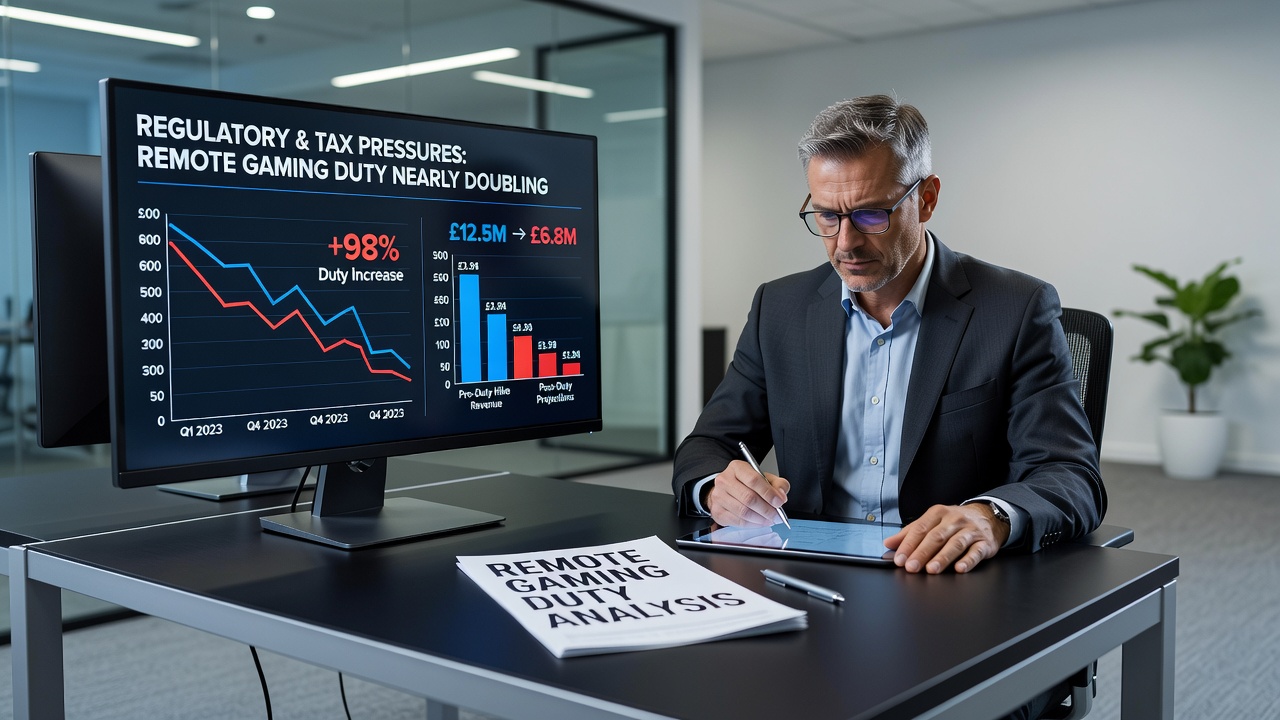
Broader Sector Pressures and Recent Industry Trends
The warning from Rank Group arrives amid a pattern of site reductions and workforce reductions reported by multiple operators since the start of 2026, and industry figures reveal that tax and regulatory costs have featured prominently in those earlier decisions. While the proposed 40 percent rate stands out as the most immediate concern for Rank Group, the company has also referenced cumulative pressures from previous duty adjustments and compliance requirements that have already squeezed margins. Analysts following the leisure and hospitality space note that machine tax forms one of the largest variable costs for venues reliant on electronic gaming, which explains why a steep hike draws such a swift and detailed response from management.
Local economies tied to these venues could experience secondary effects if closures proceed, because each site supports spending at surrounding businesses and contributes to town-centre footfall during daytime and evening hours. Rank Group has presented evidence that its bingo halls, in particular, draw repeat visitors who combine gaming with social interaction, and the loss of those locations would remove both direct employment and the modest but steady economic multiplier those visitors create.
Timeline and Next Steps for Stakeholders
With the October Budget still weeks away as of September 2026, Rank Group has positioned its statement as an opportunity for government officials to review the projected outcomes before final policy is set. The company has not ruled out further communications or meetings with treasury representatives, and sector representatives have indicated that similar concerns are being raised by other operators facing the same tax measure. Figures released alongside the announcement show that machine tax currently sits at a lower rate, and the jump to 40 percent would represent the largest single increase in recent memory for this category of gambling duty.
Stakeholders in affected regions have begun discussing contingency planning, although Rank Group itself has focused on presenting the raw numbers rather than speculating on mitigation measures until the Budget details become final. The situation remains fluid, and updates are expected once the chancellor delivers the full fiscal statement.
Conclusion
The announcement from Rank Group lays out clear projections on venue numbers and employment that could be altered by the proposed gaming machine tax increase, and it situates those outcomes within the wider context of ongoing sector adjustments. As the October Budget approaches, the data provided by the company offers one concrete example of how duty changes translate into operational decisions, and observers will watch whether the final policy incorporates adjustments that address the scale of impact described. The story continues to develop, with further details likely to emerge once the Budget measures are confirmed and operators respond accordingly.